

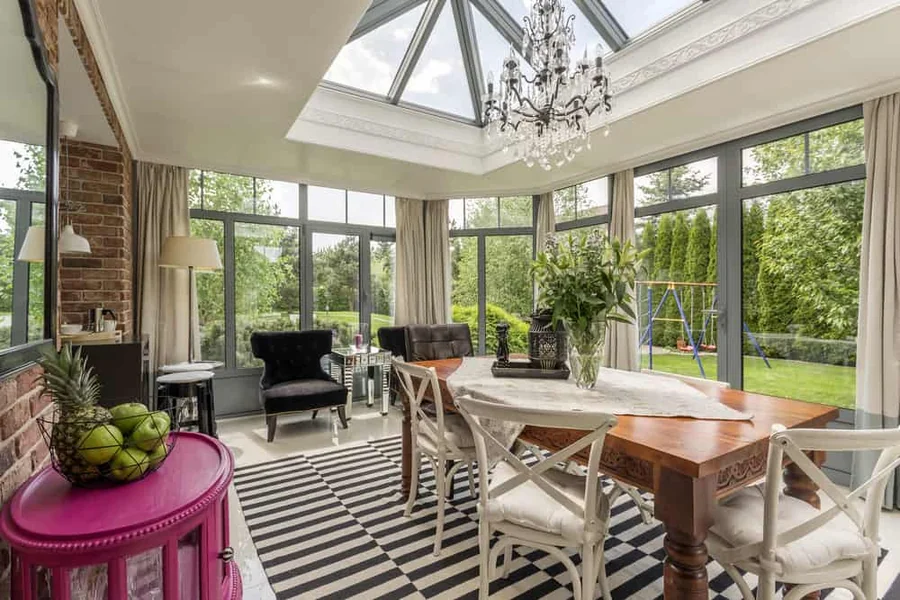
Many homeowners with older conservatories find themselves facing the same dilemma: should you replace the whole structure or simply refurbish what’s already there? Whether your conservatory was installed decades ago or just hasn’t aged well due to weather exposure or wear and tear, knowing whether it’s time for a full rebuild or a strategic renovation can make all the difference in terms of budget, comfort and property value.
Understanding the State of Your Existing Structure
The first step in making a sound decision is evaluating the current state of your conservatory. If the frames are warped, the roof leaks regularly or the base shows signs of subsidence or cracking, then a full replacement may be the most sensible option. On the other hand, if the main structure remains sound but the glazing is outdated, the roof materials are letting in draughts or it simply looks dated, a targeted refurbishment can breathe new life into the space without the need to start from scratch.
Homeowners often assume that anything older than ten or fifteen years will be beyond repair. In reality, many conservatories built in the early 2000s or even the 1990s can be brought up to a modern standard with careful improvements. The technology available today for insulation, ventilation and glazing far surpasses what was standard even a decade ago. With that in mind, an old structure shouldn’t always be dismissed — especially if the base and foundations are still in good condition.
Replacing Your Conservatory for a Fresh Start
There are cases where a full replacement is the only viable route. If the original conservatory wasn’t built to proper specifications, used poor-quality materials, or was badly affected by subsidence or rot, then a brand-new installation can offer peace of mind and improved energy performance. Replacing an old conservatory also allows homeowners to completely reimagine the space, increasing its footprint, adjusting its shape or even turning it into an orangery-style extension.
A replacement can also help resolve long-standing problems with temperature regulation. Older conservatories are notorious for being freezing in winter and sweltering in summer. New materials, including thermally efficient window frames and low-e glass, can completely transform the internal climate, making the space comfortable all year round. You can also upgrade the style, choosing from modern lean-to designs, Georgian or Victorian shapes, or fully bespoke options that blend seamlessly with the rest of the house.
Refurbishing for a More Cost-Effective Update
If the core structure is still robust, refurbishment is a cost-effective way to give your conservatory a completely new lease of life. Common upgrades include replacing polycarbonate roofing with more durable and insulated options, such as tiled or SupaLite roofs, which instantly improve insulation and reduce glare. These roofing options give the conservatory a more solid-room feel while preserving the light and openness that homeowners love.
Upgrading the roof alone can dramatically change how often the space is used. Where once it may have only been bearable in spring and autumn, a refurbished conservatory with a SupaLite roof or similar tiled solution can function as a true living room, dining area, or home office throughout the year. Alongside roofing changes, replacing old windows and doors with double or triple-glazed units adds further energy savings, especially if the previous frames were draughty or outdated.
Aesthetic changes also fall into the refurbishment category. Redecorating the interior, installing new lighting, updating the flooring or adding underfloor heating can elevate the overall experience of the room without structural alterations. These upgrades are ideal for homeowners who want to modernise their space without taking on the expense or disruption of a full demolition and rebuild.
The Impact of Tiled and SupaLite Roofs
Tiled conservatory roofs and SupaLite systems have become a popular choice for transforming older conservatories into practical, usable extensions. Unlike polycarbonate or glass roofs, tiled options offer far better insulation and noise reduction. A SupaLite roof, in particular, is a pre-engineered lightweight system designed specifically for retrofitting existing conservatories. It comes with interior plastered ceilings and options for integrated lighting, skylights or even ceiling fans.
Visually, these roofs also help the conservatory appear more like a true part of the house, especially when matched in colour and style with the main roof. This is important for homeowners hoping to create a consistent architectural look, particularly if the property is being prepared for sale. From the outside, a tiled roof lends a more solid and premium appearance, while from the inside, it gives the impression of a real room rather than a glazed extension.
What to Consider When Making Your Decision
Whether you replace or refurbish will depend on several factors. Budget is often the deciding point, with refurbishments generally being the more affordable route. However, it’s also important to weigh up long-term comfort, resale value and how the space will be used. If your family has outgrown the existing space, or you want to integrate the conservatory into an open-plan kitchen or dining area, a new build may make more sense in terms of layout and flexibility.
Planning restrictions may also influence your choice. If your current conservatory falls under permitted development but a replacement would require planning permission due to its size or proximity to a boundary, refurbishment might be the simpler route. On the other hand, if you already need planning permission for significant structural repairs, it may be an opportunity to redesign the space entirely.
Thermal performance and energy efficiency are worth serious consideration too. A draughty, underperforming conservatory can increase your heating bills and make your home feel unbalanced. Refurbishing with insulated tiled roofing and new glazing could reduce energy use significantly, while replacing an entire structure opens the door to the most modern eco-friendly materials.
Maximising the Value of the Space
Regardless of whether you choose to refurbish or replace your conservatory, the ultimate goal is to get more use and enjoyment from the space. A conservatory that’s always too cold or too hot will end up being avoided, becoming a wasted corner of your home. One that is thermally balanced, well-lit and thoughtfully finished can serve as an office, playroom, reading nook, dining space or just a beautiful place to unwind.
Both replacement and refurbishment offer the opportunity to rethink how the space fits into your lifestyle. You may choose to open up a wall to connect it more directly with your kitchen, or to create a quiet zone separated from the rest of the house. With improved roofing options, particularly tiled and SupaLite systems, the line between conservatory and interior room becomes increasingly blurred. Many homeowners find that once updated, their conservatory becomes one of the most-used rooms in the home.
Making the Right Call
Ultimately, the choice between replacing or refurbishing your old conservatory depends on how well the structure has held up, how you want to use the space, and how much you’re prepared to invest. A professional survey is often the best way to assess the condition of the frame, base and roof so you can make a well-informed decision.
Whether you go for a stylish tiled roof upgrade or a complete redesign from the ground up, enhancing your conservatory allows you to reclaim one of the most characterful and light-filled parts of your home. With the right updates, even the oldest conservatories can become spaces that feel completely new.
